BIBS Insulation System
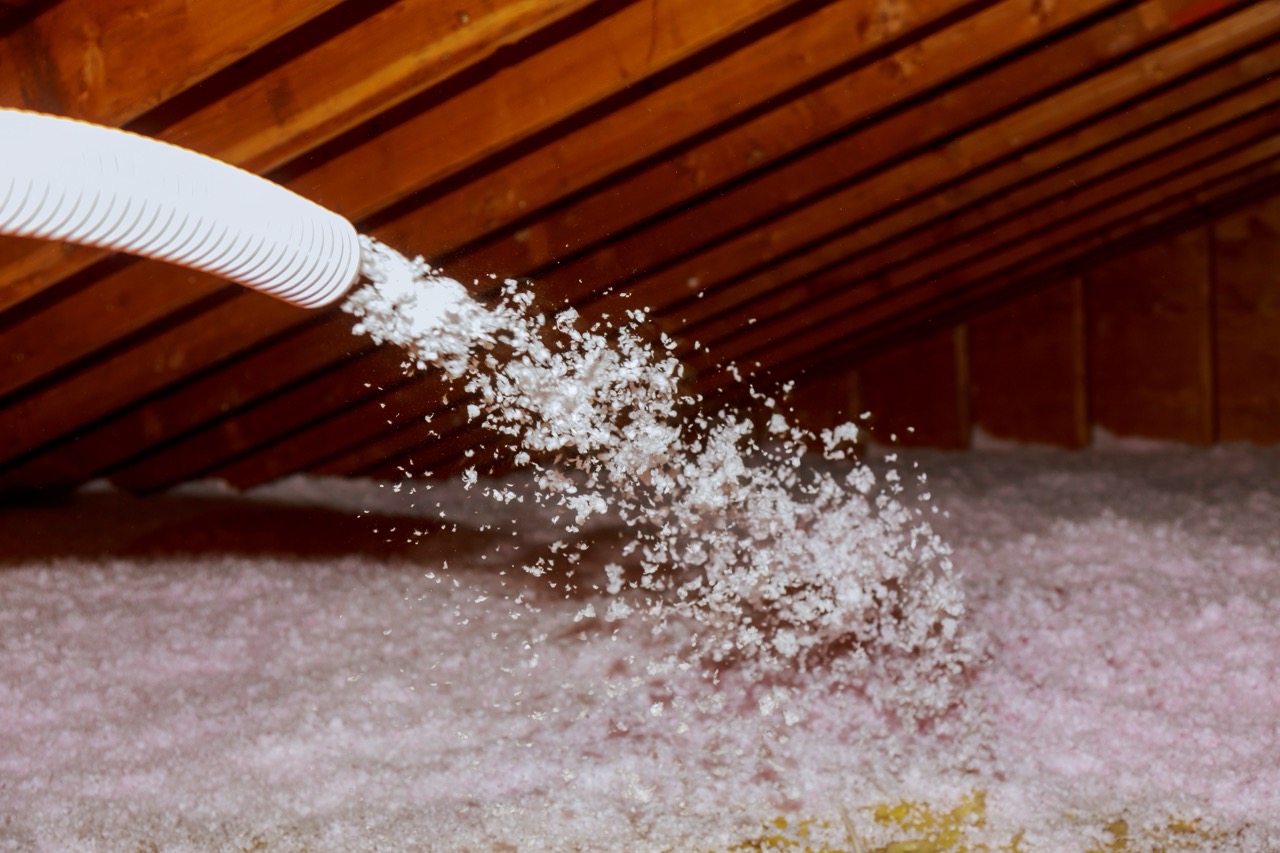
The Blow-In Blanket®️ Insulation System (BIBS) is a high-density fiberglass insulation method designed to provide superior thermal performance in residential and commercial settings. Using fiberglass blown-in wool, BIBS fills wall cavities, floors, and cathedral ceilings completely—wrapping snugly around pipes, wires, and other irregular spaces. This creates a consistent, high R-value that enhances energy efficiency while delivering long-term comfort. Many BIBS products are made with 20–30% recycled glass, making it an environmentally friendly insulation option.
Benefits of BIBS Insulation
- High-Efficiency R-Values: BIBS delivers some of the highest R-values available, improving energy efficiency and reducing heating and cooling costs.
- High-Density Coverage: The blown-in fiberglass fills gaps around pipes, wires, and other obstacles to prevent thermal loss.
- Sound Control: Completely fills cavities for superior noise reduction inside walls, floors, and ceilings.
- Indoor Comfort: Non-settling insulation reduces air leaks, moisture, pests, allergens, and outdoor pollutants in your home.
- Safe & Non-Toxic: Naturally nonflammable, mold-resistant, and free of formaldehyde.
- Eco-Friendly: Made from at least 25% recycled fiberglass or plant-based fibers.
BIBS Cost Comparison
While BIBS is slightly more expensive than traditional fiberglass batt insulation, it offers superior coverage, higher R-values, and long-term energy savings that provide a strong return on investment. Compared to spray foam, BIBS is a more cost-effective high-density option for large insulation projects.
Fiberglass BIBS vs. Blown-In Cellulose
Blown-in cellulose insulation, made from plant-based fibers, offers slightly higher R-values and air filtration. Fiberglass BIBS, however, provides faster, cleaner installation, greater long-term stability, and better reach in hard-to-access spaces. BIBS maintains its shape over time, avoiding gaps or settling issues that can occur with cellulose.
BIBS Installation
BIBS is ideal for sidewalls, floors, and cathedral ceilings in both new construction and existing homes with exposed wall cavities. Retrofits are possible but may require minor wall preparation, old insulation removal, and cleaning.
Installation involves special equipment that blows fiberglass wool into a pre-installed fabric netting attached to wall or ceiling frames. Technicians fill cavities completely, including areas around plumbing, electrical wiring, and other obstacles, eliminating the need for cutting, measuring, or fitting rigid insulation pieces. The fabric netting keeps installation clean and simplifies cleanup for contractors.
BIBS Insulation Contractors Near You
Proper installation is critical to maximize the performance and energy savings of BIBS insulation. AAA Insulation’s certified technicians are trained in BIBS installation and follow best practices for safety, efficiency, and long-lasting results.
Contact AAA Insulation today to connect with a Certified BIBS Professional in your area and receive a free consultation and quote for your home or commercial project.
Get a Free Quote
Key Insulation Benefits
Increased Energy Efficiency
Properties with inadequate insulation lose energy through air leaks in attics, walls, windows, and doors. Proper insulation helps seal these gaps, reducing energy waste and easing the workload on your heating and cooling systems.
Better Noise Reduction
Insulation helps limit sound transfer between rooms and floors by absorbing noise within walls, ceilings, and floors. This creates a quieter, more comfortable living environment throughout your home.
Strong Long-Term Value
Although insulation is an upfront investment, many homeowners see long-term savings through lower heating and cooling costs and increased home value. In many cases, insulation upgrades can pay for themselves within five to six years.