Fiberglass Insulation
Fiberglass Insulation
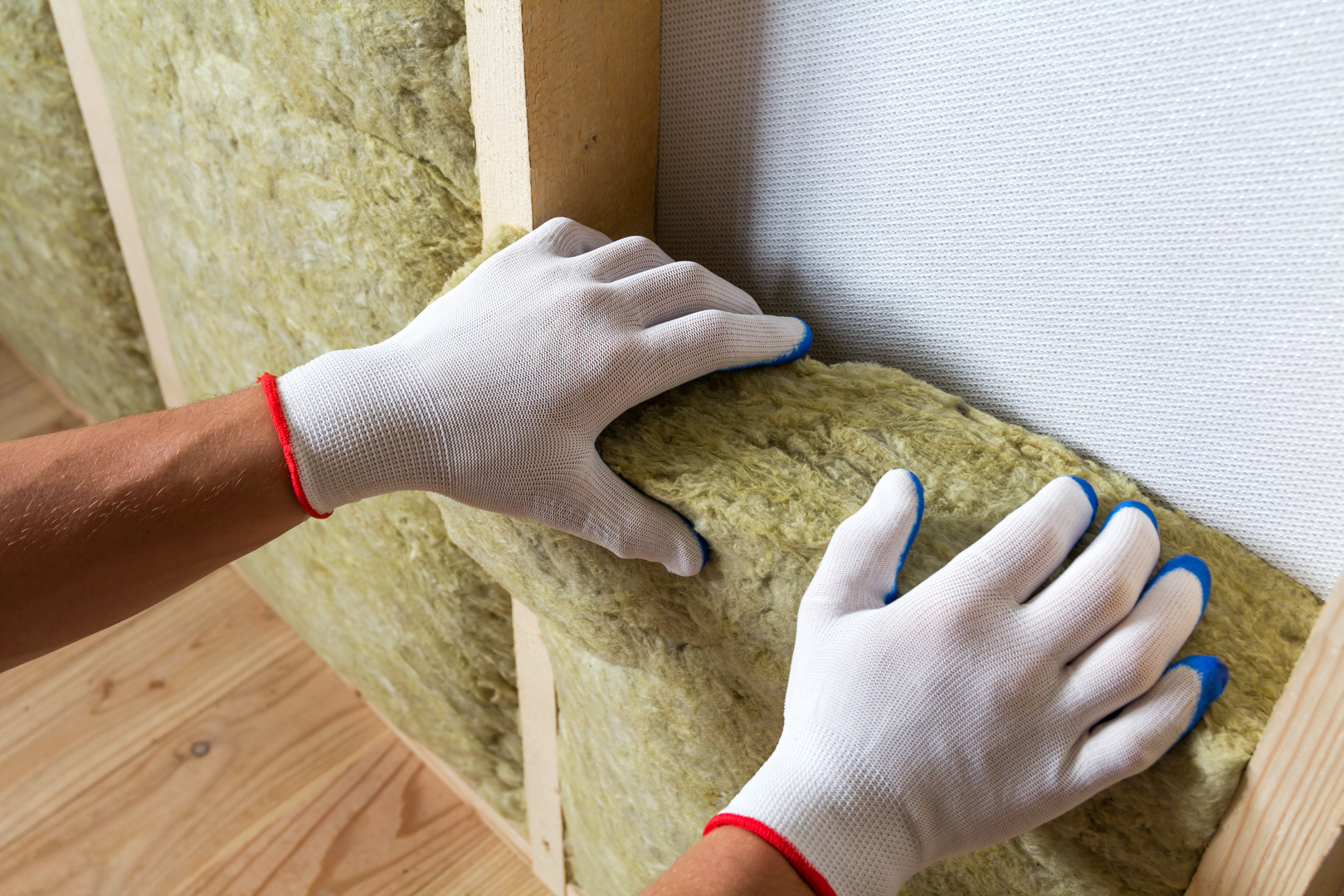
Fiberglass insulation is a cost-effective, versatile solution for homes and commercial buildings. Made from glass or sand particles processed into fine fibers, it creates a thermal barrier that helps maintain consistent indoor temperatures and improves energy efficiency. Many manufacturers also incorporate recycled glass into their fiberglass, reducing environmental impact while delivering a durable, reliable insulation product. Fiberglass comes in both batt and loose-fill varieties to meet the unique needs of different projects.
Benefits of Fiberglass Insulation
Fiberglass insulation is widely used because it’s affordable, effective, and easy to install. Key benefits include:
- Energy Efficiency: Reduces heat loss in the winter and heat gain in the summer, lowering utility costs.
- Fire Resistance: Fiberglass is naturally non-combustible, helping protect your home or building.
- Sound Reduction: Absorbs noise between walls, floors, and ceilings for a quieter interior environment.
- Moisture & Mold Resistance: Helps maintain indoor air quality and protects your home’s structure from moisture damage.
Whether for new construction or upgrades, fiberglass insulation remains a trusted choice for homeowners, contractors, and commercial builders alike.
Types of Fiberglass Insulation
Choosing the right type of fiberglass insulation depends on your project needs, building structure, and budget. AAA Insulation installs a full range of options to ensure optimal performance.
Fiberglass Batt Insulation
One of the most common and cost-effective options, fiberglass batt insulation comes in pre-cut rolls of various thicknesses. Ideal for attics, walls, crawl spaces, ceilings, and basements, it’s lightweight and quick to install. Batts are available in faced or unfaced options, with R-values ranging from R-2.9 to R-4.3 per inch.
Faced Batt Insulation:
Includes a paper or foil vapor barrier that helps prevent moisture buildup. Most commonly installed in vertical walls, it also provides sound reduction for interior spaces.
Unfaced Batt Insulation:
Does not include a vapor barrier and should be paired with an external vapor control layer when installed on exterior walls. This option is popular in moderate climate zones.
Loose-Fill Fiberglass Insulation
Loose-fill fiberglass, also called blown-in insulation, is ideal for attics, pre-built wall cavities, and irregular spaces. Slightly less dense than batts, it offers approximately R-2.5 per inch while providing flexibility in hard-to-reach areas. It can also be sprayed over existing insulation to boost overall R-value.
Fiberglass Reinforced Plastic (FRP)
FRP panels combine the durability of fiberglass with impact and moisture resistance, making them perfect for commercial kitchens, bathrooms, storage areas, and other high-moisture environments. FRP protects against corrosion, mold, mildew, and stains, providing a long-lasting, easy-to-clean solution for commercial walls.
Longevity and Maintenance
Fiberglass insulation can last 80 to 100 years, but over time, batts may lose structure and effectiveness. Dust and airflow can reduce R-value, while older fiberglass may contain trace formaldehyde. Modern fiberglass insulation is formaldehyde-free and safe when properly installed.
Professional installation ensures proper handling, including PPE use, to protect both installers and building occupants. Once installed, fiberglass insulation is a safe, durable, and efficient solution for temperature and noise control.
Fiberglass Insulation Contractors Near You
If you’re considering fiberglass insulation for your home or business, the expert team at AAA Insulation is ready to help. Our licensed, background-checked professionals provide reliable guidance, top-quality materials, and expert installation to ensure your insulation performs at its best.
Contact AAA Insulation today to schedule a free on-site consultation with a local fiberglass insulation expert.
Get a Free Quote
Key Insulation Benefits
Increased Energy Efficiency
Properties with inadequate insulation lose energy through air leaks in attics, walls, windows, and doors. Proper insulation helps seal these gaps, reducing energy waste and easing the workload on your heating and cooling systems.
Better Noise Reduction
Insulation helps limit sound transfer between rooms and floors by absorbing noise within walls, ceilings, and floors. This creates a quieter, more comfortable living environment throughout your home.
Strong Long-Term Value
Although insulation is an upfront investment, many homeowners see long-term savings through lower heating and cooling costs and increased home value. In many cases, insulation upgrades can pay for themselves within five to six years.