Reflective Insulation
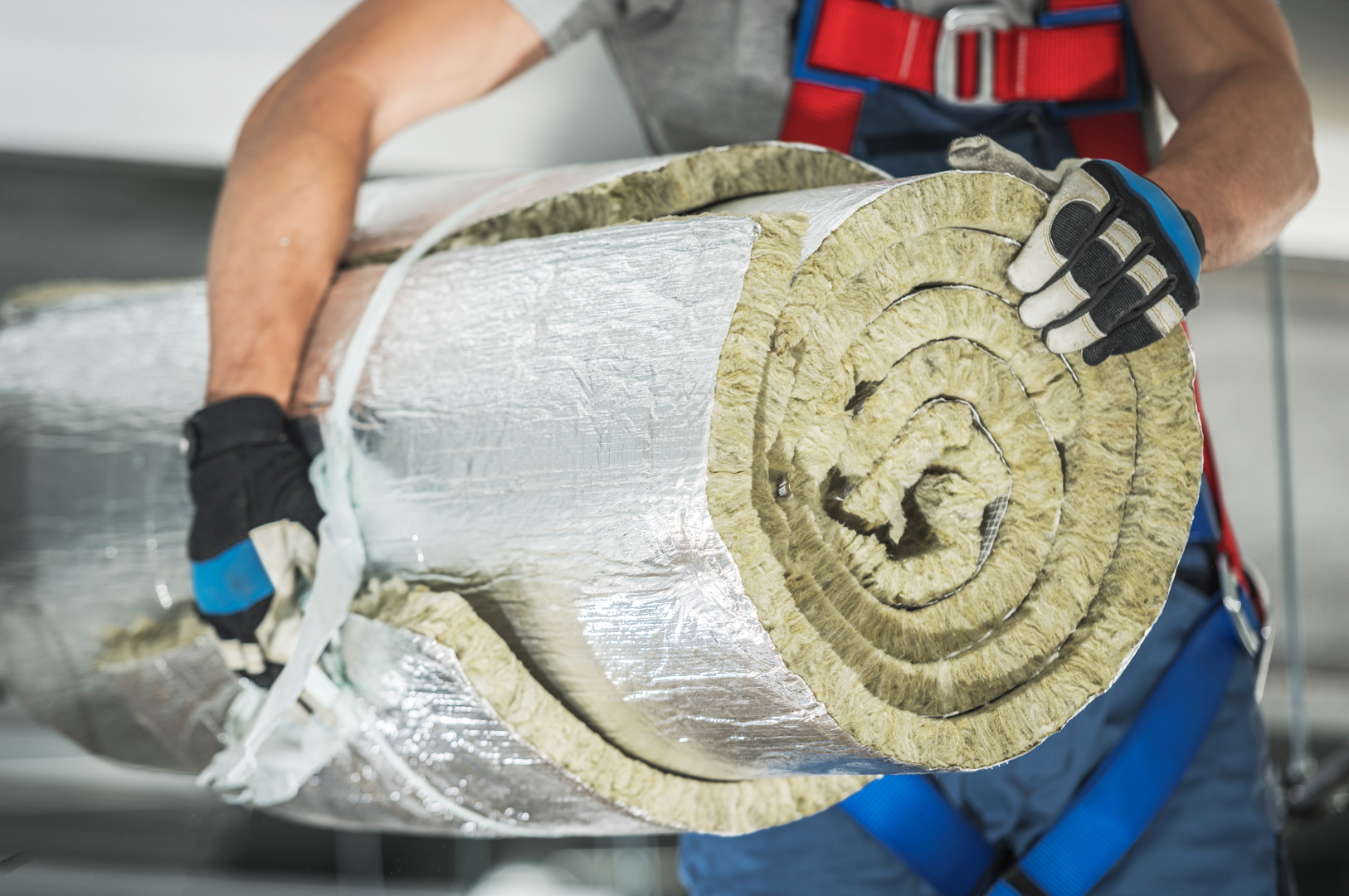
Reflective insulation, also known as foil insulation, helps regulate indoor temperatures by reflecting unwanted heat away from your home. Featuring an exterior reflective surface, typically aluminum or aluminized polyester, this insulation is particularly effective in hot climates and can help reduce energy waste. Reflective insulation is available in rolls, blankets, or boards, making it versatile for a variety of applications, including attics, roofs, walls, and exposed pipes.
Benefits of Reflective Insulation
Reflective insulation acts as a barrier between heat-radiating elements, like metal roofs, and heat-absorbing surfaces, like ceilings, helping to lower cooling and heating costs. Key benefits include:
- Improved Energy Efficiency: Reflective insulation blocks 95–97% of unwanted radiant heat, reducing the workload on HVAC systems and lowering utility bills. It also increases the Home Energy Rating System (HERS) score and can improve overall home value.
- Vapor and Condensation Control: Helps prevent moisture buildup and protects against condensation, particularly in humid climates or around cold surfaces.
- Ideal for Small Spaces: Thin and lightweight, reflective insulation requires minimal wall or ceiling thickness (typically ¾”), making it perfect for tight spaces like garages, attics, or retrofits.
- Safe and Non-Toxic: Unlike some insulation types, reflective insulation is safe to handle and does not require residents to vacate during installation.
- Versatile Applications: Can be installed around water heaters, exposed pipes, or combined with other insulation types to increase R-value and add soundproofing.
Reflective Insulation vs. Other Radiant Barriers
While “reflective insulation” and “radiant barrier” are often used interchangeably, reflective insulation typically includes a thicker mid-layer of air bubbles, foam, or fiberglass, giving it a small R-value (around 1.0) in addition to its reflective properties. This added thickness reduces condensation, maintains fire safety ratings, and helps meet building code requirements more effectively than traditional aluminum sheet radiant barriers.
Installation Considerations
Proper installation is crucial for reflective insulation to perform effectively:
- Dead Air Space: At least one side of the insulation must be open to create a gap for radiant heat reflection.
- Seaming Tape: High-quality tape along edges prevents heat leakage and ensures full coverage.
- Layering Options: Reflective insulation can be combined with other insulation types to boost R-value and add sound reduction.
Professional installation ensures your reflective insulation works efficiently, safely, and lasts for years.
Reflective Insulation Contractors Near You
AAA Insulation’s certified installers provide expert guidance and professional installation for reflective insulation in residential and commercial spaces. From radiant barrier rolls to specialized reflective board insulation, we help make your home or building more energy-efficient and comfortable.
Contact AAA Insulation today to schedule a free on-site consultation and receive a quote from a local reflective insulation expert.
Get a Free Quote
Key Insulation Benefits
Increased Energy Efficiency
Properties with inadequate insulation lose energy through air leaks in attics, walls, windows, and doors. Proper insulation helps seal these gaps, reducing energy waste and easing the workload on your heating and cooling systems.
Better Noise Reduction
Insulation helps limit sound transfer between rooms and floors by absorbing noise within walls, ceilings, and floors. This creates a quieter, more comfortable living environment throughout your home.
Strong Long-Term Value
Although insulation is an upfront investment, many homeowners see long-term savings through lower heating and cooling costs and increased home value. In many cases, insulation upgrades can pay for themselves within five to six years.