Spray Foam Insulation
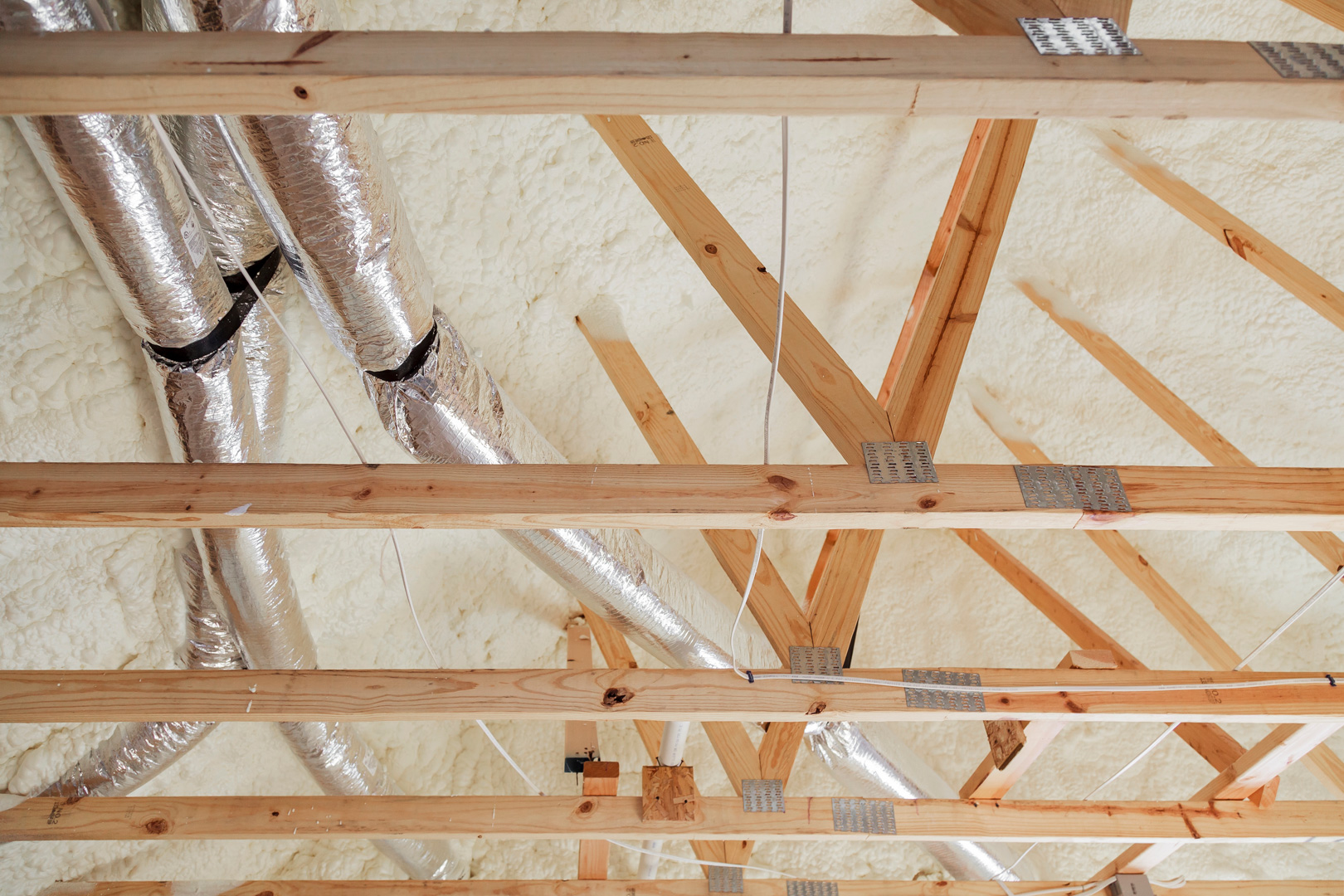
Spray foam insulation is one of the most significant innovations in home and commercial energy efficiency since the introduction of fiberglass. Made from polyurethane foam, it creates an airtight barrier that improves comfort, reduces heating and cooling costs, and enhances overall building performance. Spray foam is available in open-cell and closed-cell varieties, both offering superior insulation, air sealing, moisture protection, sound reduction, and pest resistance.
Benefits of Spray Foam Insulation
Spray foam insulation outperforms traditional options due to its long-term performance and superior sealing capabilities. Unlike fiberglass, which can flatten or settle over time, spray foam maintains its shape, adheres to surfaces, and enhances wall strength. Key benefits include:
- Exceptional Energy Efficiency: Reduces heat loss through conduction, convection, radiation, air infiltration, moisture accumulation, and air intrusion.
- Enhanced Structural Support: Closed-cell spray foam strengthens walls and roof assemblies, acting as a glue to hold sheathing in place.
- Moisture & Mold Resistance: Spray foam does not retain water, resists mildew, and protects against long-term moisture damage.
- Noise Reduction: Helps control sound transfer between rooms and floors.
- Fire & Pest Resistance: Spray foam creates a barrier against insects, fire, and unwanted drafts.
- Environmentally Friendly: No harmful particles are released during installation, and the insulation helps reduce energy consumption.
Spray Foam Installation
Spray foam insulation is ideal for walls, attics, basements, and hard-to-reach spaces in both new construction and retrofits. Installation involves spraying the foam directly into cavities, where it expands to fill gaps and adhere to surfaces. Only one application is needed for complete coverage, and because it does not settle, there’s no need for reapplication.
Professional installation is critical to ensure optimal performance and safety. Technicians use proper PPE, measure temperatures of materials and substrates, and follow strict safety protocols. Drying time typically ranges from 8 to 24 hours, depending on conditions.
Open-Cell vs. Closed-Cell Spray Foam
- Open-Cell Foam: Lightweight, expands easily, excellent for sound absorption, and cost-effective for interior walls and ceilings.
- Closed-Cell Foam: Higher density, greater R-value per inch, provides moisture protection, air sealing, and structural reinforcement—ideal for basements, roofs, and exterior walls.
Cost-Effectiveness
Spray foam provides superior insulation value compared to fiberglass. For example, closed-cell spray foam typically has an R-value of 6 per inch, compared to fiberglass at approximately 2.2 per inch. This means less material is needed to achieve the same energy efficiency, often making spray foam the more cost-effective solution over time despite higher upfront costs.
Spray Foam Insulation Contractors Near You
AAA Insulation’s trained spray foam specialists provide expert guidance, planning, and professional installation to ensure maximum efficiency and safety. Our certified contractors work with residential and commercial clients to deliver durable, long-lasting insulation that improves comfort and reduces energy costs.
Contact AAA Insulation today to schedule a free consultation or quote from a local spray foam insulation expert.
Get a Free Quote
Key Insulation Benefits
Increased Energy Efficiency
Properties with inadequate insulation lose energy through air leaks in attics, walls, windows, and doors. Proper insulation helps seal these gaps, reducing energy waste and easing the workload on your heating and cooling systems.
Better Noise Reduction
Insulation helps limit sound transfer between rooms and floors by absorbing noise within walls, ceilings, and floors. This creates a quieter, more comfortable living environment throughout your home.
Strong Long-Term Value
Although insulation is an upfront investment, many homeowners see long-term savings through lower heating and cooling costs and increased home value. In many cases, insulation upgrades can pay for themselves within five to six years.