Rigid Board Insulation
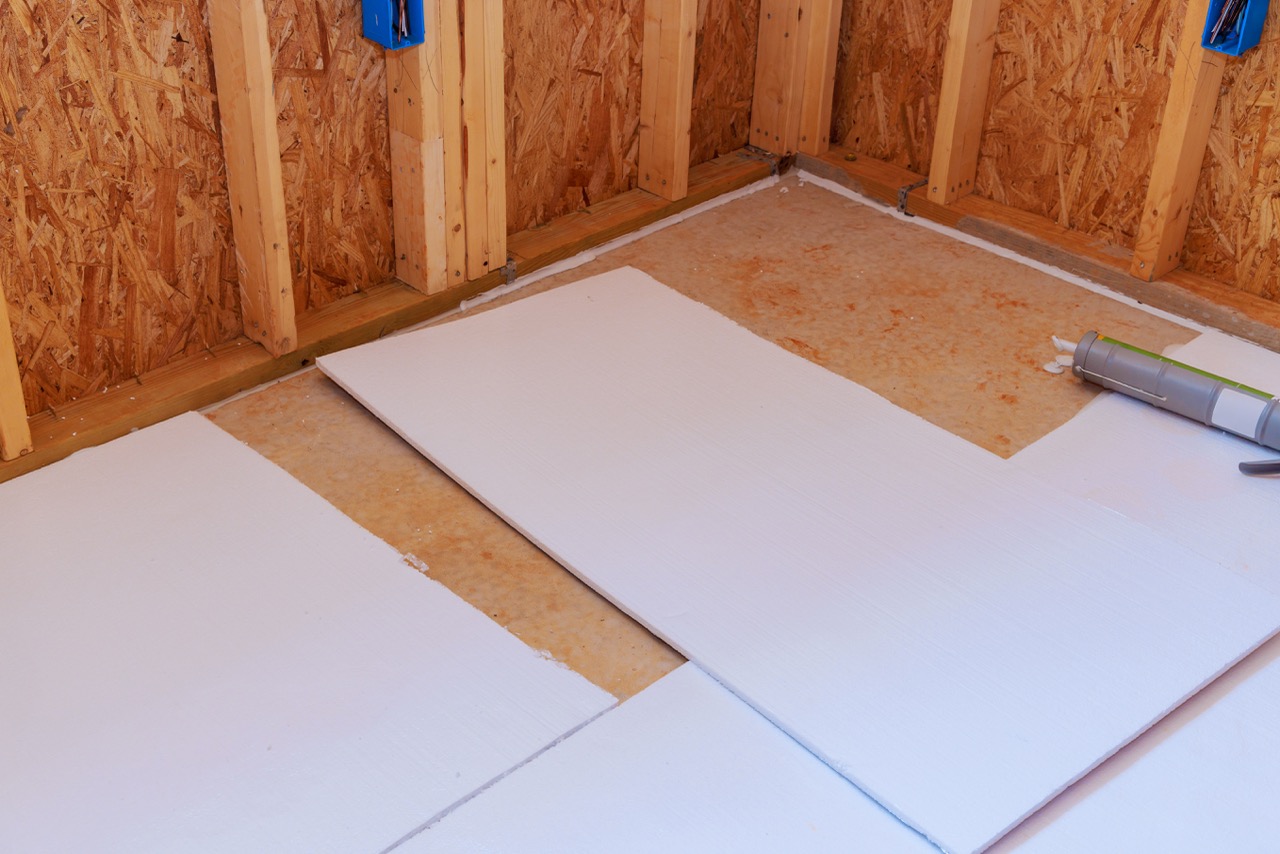
Rigid board insulation is a high-performance, lightweight solution that delivers excellent thermal protection in a slim, easy-to-install product. Unlike batt or loose-fill insulation, rigid boards maintain their shape and do not shift during installation. They are simple to cut and cover large wall areas quickly, making them ideal for preventing thermal bridging by wrapping exterior framing and sealing gaps in a building’s internal insulation.
Types of Rigid Board Insulation
Choosing the right rigid board insulation depends on your project’s specifications, including R-value requirements, climate, and budget. Proper installation with seam tape, caulking, or spray foam is essential to maximize energy efficiency and prevent air leakage.
Foam Board Insulation
Made from lightweight petroleum-based materials, foam board is water-resistant, pest-proof, and air-tight. Common foam board types include:
- Expanded Polystyrene (EPS): Affordable and lightweight with an R-value of approximately R-3.8 per inch. EPS is budget-friendly but less durable and not vapor-resistant unless pre-treated.
- Extruded Polystyrene (XPS): Offers higher durability and an R-value around R-5 per inch. XPS may act as a vapor retarder depending on its finish, making it a mid-range insulation option.
- Polyisocyanurate (ISO): The highest R-value of foam boards, around R-6.8 per inch. Polyiso often features a reflective foil facing that acts as a radiant barrier, offering both high performance and reduced environmental impact.
Mineral Wool / Fiber Board Insulation
Also known as rock wool, mineral wool insulation is fire-resistant, soundproof, and environmentally friendly. Made from natural fibers, recycled materials, or hemp, it does not contain petrochemicals. Mineral wool is not air- or vapor-proof, and proper PPE should be used during installation to protect against irritation from fibers.
Benefits of Rigid Board Insulation
Rigid board insulation provides:
- Fire Resistance: Adds an extra layer of protection to potentially fire-prone structures.
- Thermal Bridging Prevention: Wraps framing to reduce heat transfer and improve energy efficiency.
- R-Value Enhancement: Can be layered over batt insulation to boost overall thermal performance.
- Durability: Maintains shape and effectiveness over time, unlike some softer insulation types.
Installation Considerations
Proper installation is key to achieving maximum performance. Every seam must be sealed to prevent air leakage, and building codes typically require foam insulation to be covered with gypsum drywall. Many installations involve framing an interior wall over the insulation for added protection. Professional installation ensures seams are sealed correctly and your insulation performs as intended.
Rigid Board Insulation Contractors Near You
AAA Insulation provides expert rigid board insulation installation for residential and commercial projects. Our certified technicians help select the right insulation product for your needs and handle the entire installation process efficiently and safely.
Contact AAA Insulation today to connect with a local installer and receive a free estimate for your rigid board insulation project.
Get a Free Quote
Key Insulation Benefits
Increased Energy Efficiency
Properties with inadequate insulation lose energy through air leaks in attics, walls, windows, and doors. Proper insulation helps seal these gaps, reducing energy waste and easing the workload on your heating and cooling systems.
Better Noise Reduction
Insulation helps limit sound transfer between rooms and floors by absorbing noise within walls, ceilings, and floors. This creates a quieter, more comfortable living environment throughout your home.
Strong Long-Term Value
Although insulation is an upfront investment, many homeowners see long-term savings through lower heating and cooling costs and increased home value. In many cases, insulation upgrades can pay for themselves within five to six years.